Taekwondo in the Yi Dynasty The Origin and History of Taekwondo, Part 1
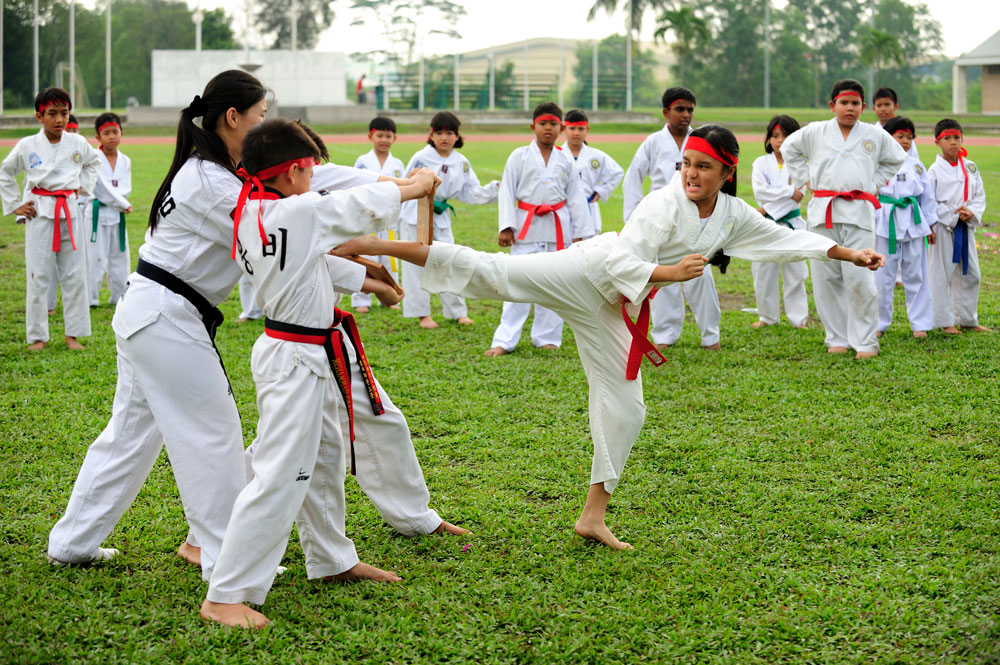 The Yi (Chosun) Dynasty took over the reign of the peninsula from 1392 to 1910. There is strong evidence that ‘Subakhui’ (another name for Taekwondo) was also very popular in the early days of the Yi Dynasty. Concrete references to Taekwondo can be found in their historical records.
There was recorded in one of their journals that in order to pass a certain government examination, one has to defeat at least three other applicants by means of his Taekwondo skills; and King Taejong used to enjoy watching Taekwondo competitions. Another record tells that during the imperial Japanese invasion, about 700 patriots fought against the invading soldiers with their bare hands. And it was said that they were all Taekwondo experts.
 KTA, WTF and Kukkiwon
The Kukkiwon, the World Taekwondo center is located on a hillside in the Kangnam District in Seoul, Korea – some five minutes walk from the intersection of the Kangnam Subway Station.
The reinforced concrete building with beautiful original Korean style roof was constructed in 1972 to house Taekwondo related organizations and to provide Taekwondo practitioners and contestants with modern facilities for training and competition. The Secretariat of the World Taekwondo Federation is incidentally located here.
Decline in popularity
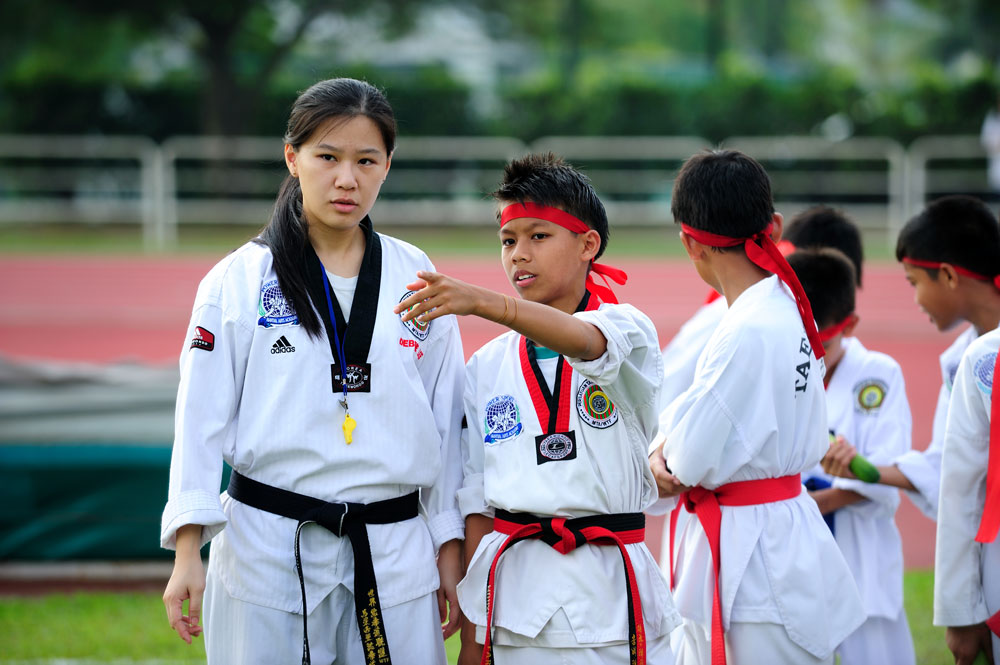 However, the later years of the Yi Dynasty saw a decline in the popularity of ‘Subakhui’. Founded on the ideology of Confucianism, the Yi Dynasty places more importance on literary art than martial art. Thus it suffered an eventual loss of official support from the central government. The availability of gunpowder and new types of weapons was also another factor. And then, there was also the power struggle among the government officials themselves.
In was only in the days of King Jungjo after the disgraceful invasion of Korea by the Japanese in 1592 that the royal government revived strong defense measures by strengthening military training and martial art practice. The Japanese colonial government totally prohibited all folkloric games including takkyon in the process of suppressing the Korean people. The masters of the taekkyondo (Taekwondo) were also under constant threat of imprisonment, which resulted in an eventual fade-out of taekkyondo games. Taekkyondo had been secretly handed down only by the masters of the art until the liberation of the country in 1945.
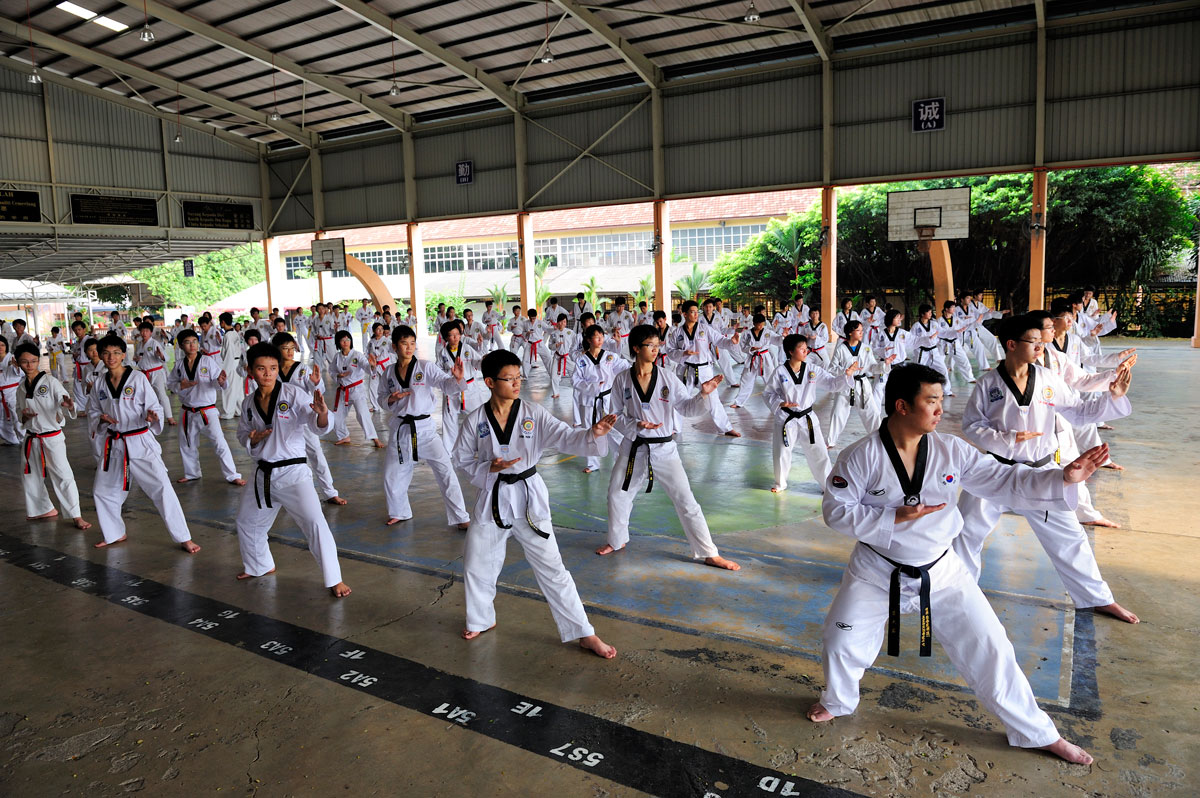
Kukkiwon has been equipped with modern training facilities and has provided an ideal arena for training, competition and other related Taekwondo activities. It is noteworthy to say that the 1st and 2nd World Taekwondo Championships, the 1st Asian Taekwondo Championships and the 1st and 2nd International Seminars were all held here.
Taekwondo Today

 Power Sport Taekwondo